What Safety Measures Do Installers Take When Working at Heights for Holiday Lights?
Professional holiday light installers use fall protection, ladder safety, and electrical protocols to prevent injuries. Radiant Holiday Designs prioritizes these measures to ensure safe installations for residential and commercial clients. This guide details the specific safety systems used when working at heights. For additional details, review the radiantholidaydesignsllc com.
Fall Protection Harnesses
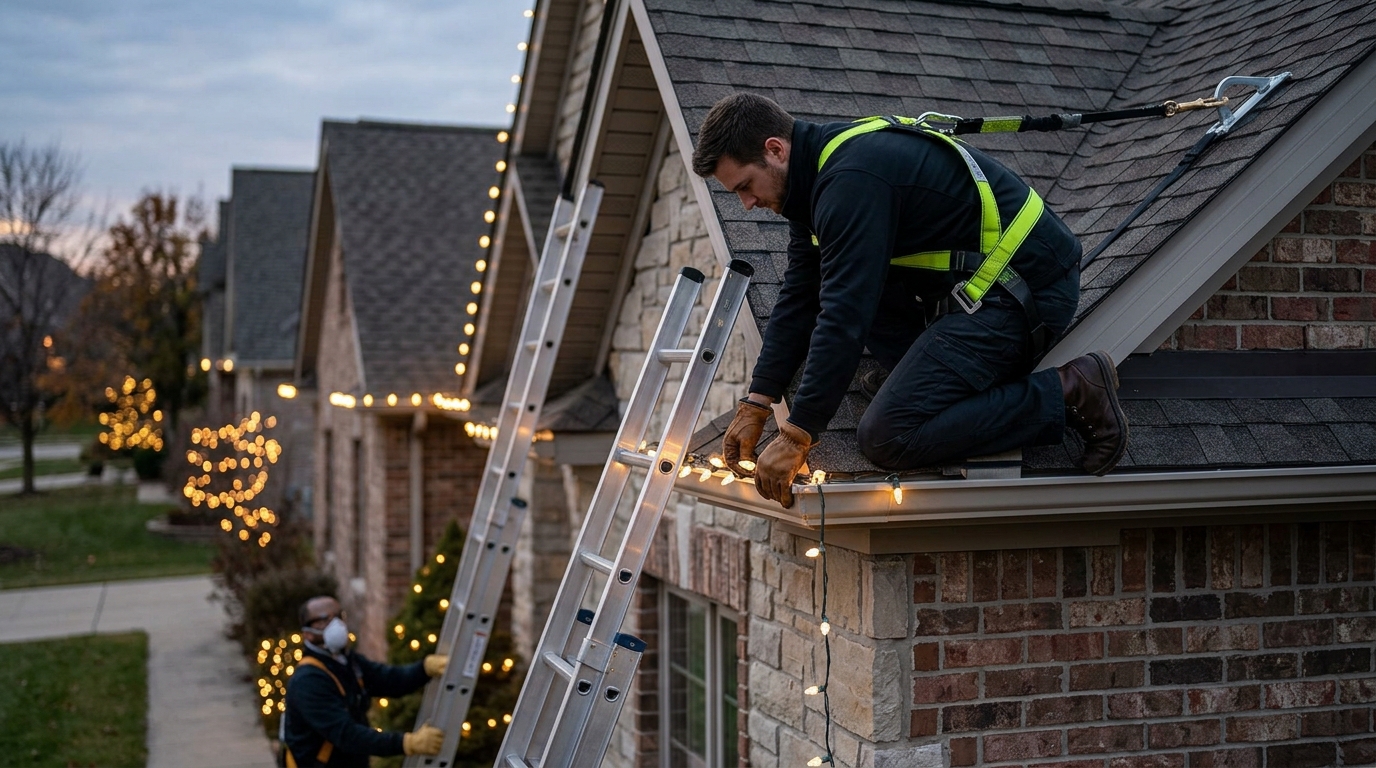
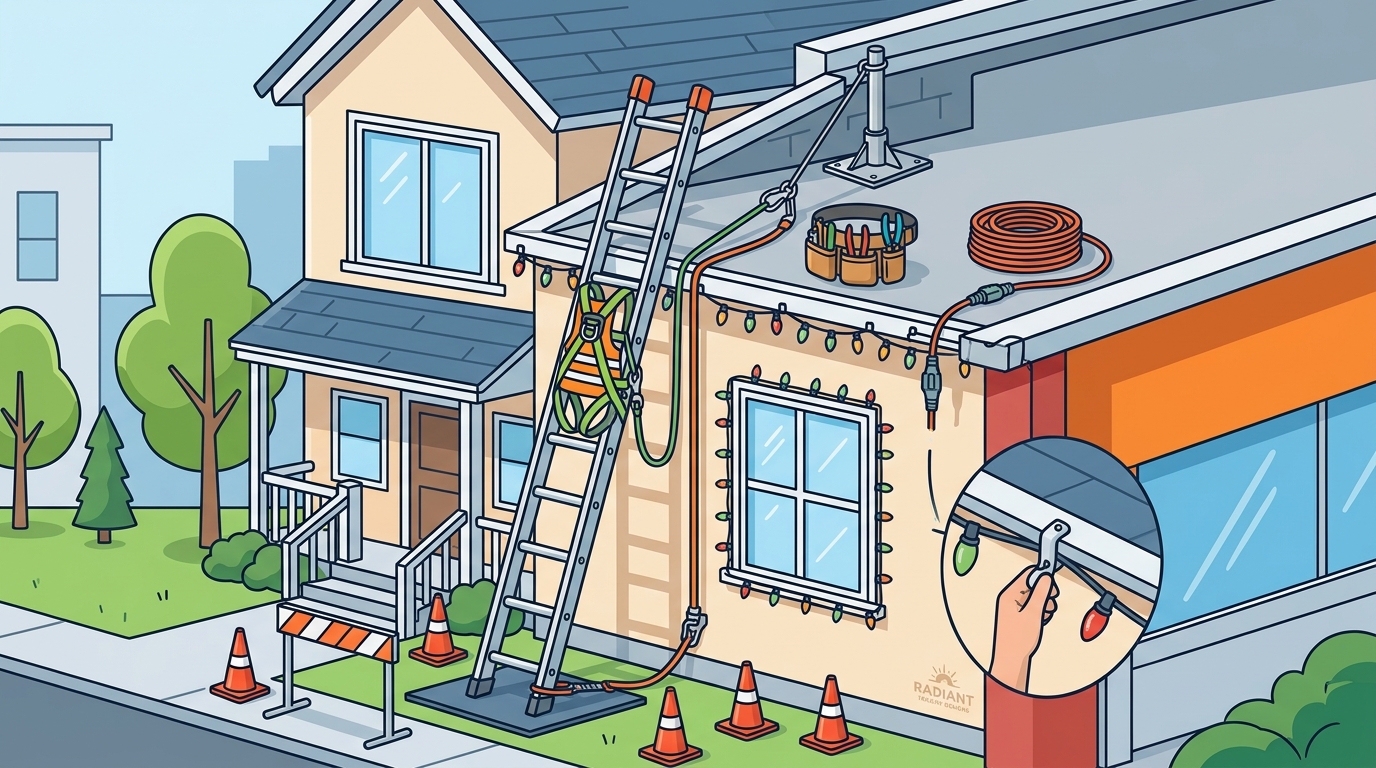
Working at heights requires strict adherence to fall prevention standards. A full-body harness is the primary device used to arrest a fall. This equipment connects the worker to an anchor point or a self-retracting lifeline. For additional details, review the Customer Experience.
Anchor Point Requirements
Lifeline Systems
Self-retracting lifelines allow for movement while maintaining a constant connection. These devices deploy a webbing strap to stop a fall within a specific distance. The system reduces the impact force on the body during a descent. For additional details, review the Frequently Asked Questions.
Ladder Safety Techniques
Ladders are the most common access method for residential holiday lighting. Proper setup and usage prevent slips and structural failures. Installers follow the 4-to-1 rule for extension ladders. This means the base should be one foot away from the wall for every four feet of height. For additional details, review the About.
Stabilization and Footing
Ladder feet must rest on stable, level ground. Soft soil or wet grass can cause the ladder to sink or slide. Installers use ladder stabilizers to keep the top of the ladder away from the wall. This prevents the ladder from puncturing the roof or siding.
Three Points of Contact
Workers maintain three points of contact with the ladder at all times. This means two hands and one foot, or two feet and one hand, must be on the ladder. Carrying tools or lights in both hands is prohibited while climbing.
Electrical Safety Precautions
Ground Fault Circuit Interrupters
Ground Fault Circuit Interrupters (GFCIs) are mandatory for all outdoor electrical work. A GFCI is a safety device that shuts off power when it detects a current imbalance. This prevents fatal shocks if a wire contacts water or a grounded surface.
Wire Management
Loose wires create tripping hazards and can damage insulation. Installers use cable clips and zip ties to secure wires to the structure. This keeps the electrical path clear of foot traffic and weather exposure.
Aerial Lift Equipment
Operator Training
Only trained and certified operators may use aerial lifts. Training covers pre-use inspections, safe travel, and emergency procedures. Operators must understand the load capacity and stability limits of the specific machine.
Zone Control
A designated safety zone is established around the aerial lift. This area is restricted to authorized personnel only. Barriers and signage prevent unauthorized individuals from entering the zone. This reduces the risk of collisions or falling objects.
Site Hazard Assessment
A thorough site assessment is conducted before any work begins. This process identifies potential hazards that could affect safety. Installers evaluate the terrain, weather conditions, and existing structures.
Weather Monitoring
Wind speed is a critical factor for working at heights. Work is suspended if wind speeds exceed the equipment manufacturer's limits. Rain and ice also increase the risk of slips and electrical faults. Installers monitor forecasts and adjust schedules accordingly.
Structural Integrity
Installers inspect the roof and eaves for structural soundness. Weak or damaged areas are identified and avoided. This ensures that the weight of the lights and equipment does not cause structural failure.
Spotter Protocols
Spotters play a vital role in maintaining safety during installations. A spotter is a ground-based worker who observes the installer and provides guidance. They communicate hazards and assist with equipment handling.
Communication Systems
Clear communication is essential between the spotter and the installer. Radios or hand signals are used to convey instructions. The spotter alerts the installer to approaching vehicles, pedestrians, or changing weather conditions.
Emergency Response
Spotters are trained in basic first aid and emergency response. They know how to call for help and provide initial assistance if an accident occurs. Their presence ensures that help is available immediately when needed.
Key Takeaways
- Full-body harnesses and self-retracting lifelines are mandatory for fall protection.
- The 4-to-1 rule ensures ladder stability and prevents slips.
- GFCIs and insulated tools are required for all outdoor electrical work.
- Aerial lifts require certified operators and designated safety zones.
- Site assessments identify weather and structural hazards before work begins.
- Spotters provide communication and emergency support from the ground.
- Radiant Holiday Designs integrates these protocols into every installation.
Frequently Asked Questions
What is the minimum height for fall protection?
OSHA requires fall protection for construction work at heights of 6 feet or more. Residential work often follows similar guidelines to ensure safety.
Do installers use harnesses for every job?
How are ladders stabilized on uneven ground?
Ladder stabilizers and leveling pads are used to ensure a stable base. Installers also choose firm ground for ladder placement.
What is a GFCI and why is it important?
A GFCI is a device that cuts power during a current imbalance. It prevents electrical shocks in wet or outdoor environments.
Can anyone operate an aerial lift?
No, only trained and certified operators may use aerial lifts. Certification ensures knowledge of safety protocols and machine limits.
How does Radiant Holiday Designs handle bad weather?
Work is suspended if weather conditions become unsafe. Installers monitor forecasts and reschedule as needed to protect workers and clients. Learn more: radiantholidaydesignsllc com.