
How to Choose a Provider
Experience with Roofing Materials
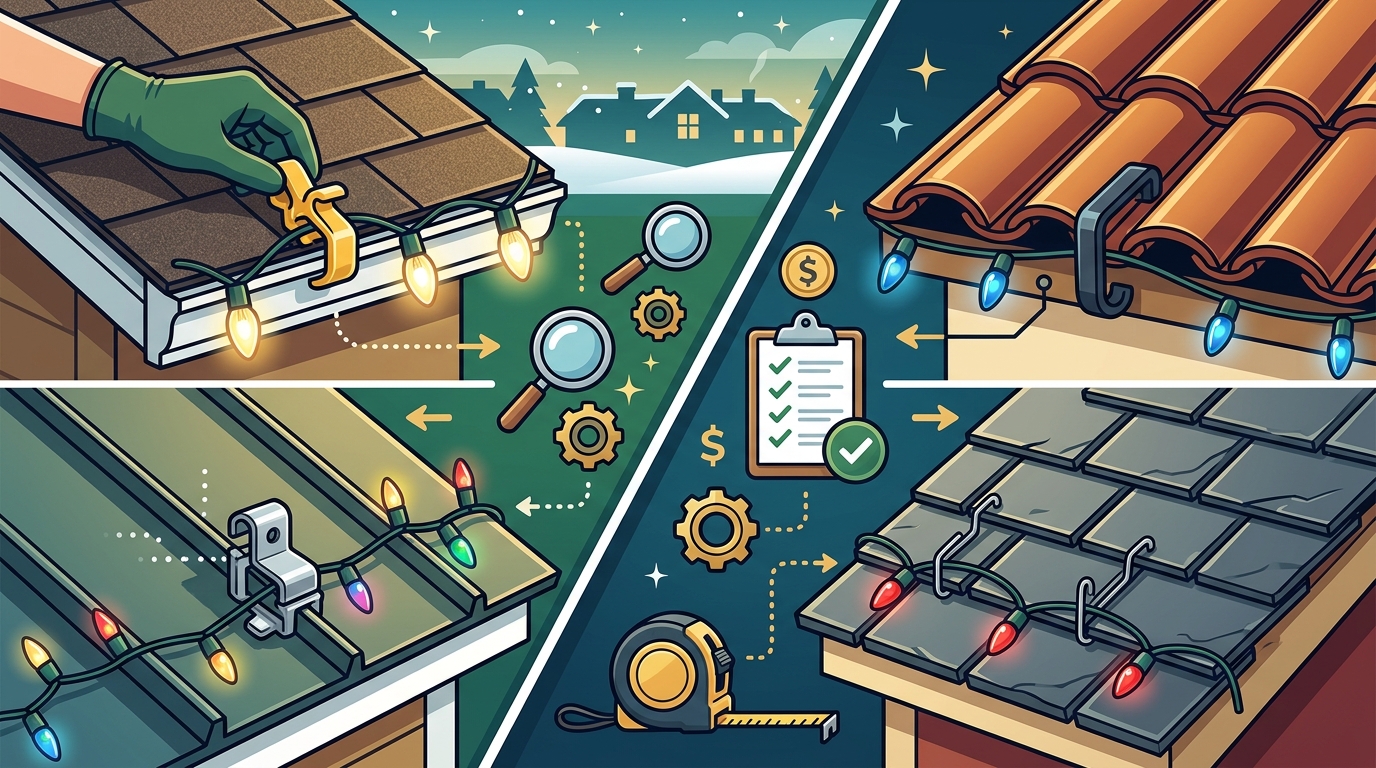
Not all roofs are created equal. Asphalt shingles, metal, tile, and slate each require different attachment methods. A reputable installer will assess your specific roofing material before quoting a price. They should use non-penetrating clips or specialized hooks that do not damage your shingles. If a provider suggests drilling into your roof, walk away. This is a major red flag that indicates a lack of expertise or a desire to cut corners. For additional details, review the radiantholidaydesignsllc com.
Insurance and Liability
Working on a roof involves inherent risks. A professional company must carry general liability insurance and workers' compensation. This protects you from being held liable if a worker is injured on your property or if they accidentally damage your roof or gutters. Always ask for a certificate of insurance before signing any contract. This document should list your address as a certificate holder. For additional details, review the .
What to Ask Before Committing
Scope of Work
Communication and Scheduling
Ask how you will communicate with the installer. Will you have a dedicated point of contact? How quickly do they respond to emails or phone calls? Scheduling is also crucial. Ask if they can guarantee a specific installation date. In high-demand areas, slots fill up quickly, so you want a company that can commit to a timeline that works for you. For additional details, review the Customer Experience.
How to Verify Credentials
Verifying a contractor's credentials is essential for protecting your home and investment. Contractor verification is the process of confirming that a business is licensed, insured, and in good standing with local authorities. Start by checking their business license. In many states, you can look up a business license online through the state's department of revenue or consumer affairs website. Verify that the license is active and that the business name matches the one on their website and contract. For additional details, review the Frequently Asked Questions.
Insurance Verification
Online Reviews and References
Check online reviews on independent platforms like Google, Yelp, and the Better Business Bureau. Look for patterns in the reviews. Are there many complaints about missed appointments or poor communication? Are there recent reviews from the last 6-12 months? Also, ask for references from past clients. Call them and ask about their experience with the company, the quality of the work, and how the company handled any issues that arose. For additional details, review the About.
How the Process Works
Understanding the process helps you know what to expect and when. The typical workflow for professional roof light installation involves several distinct phases. First, there is the consultation and design phase. The installer visits your home to assess the roofline, discuss your design preferences, and provide a quote. Once you approve the quote, they schedule the installation date.
Installation Day
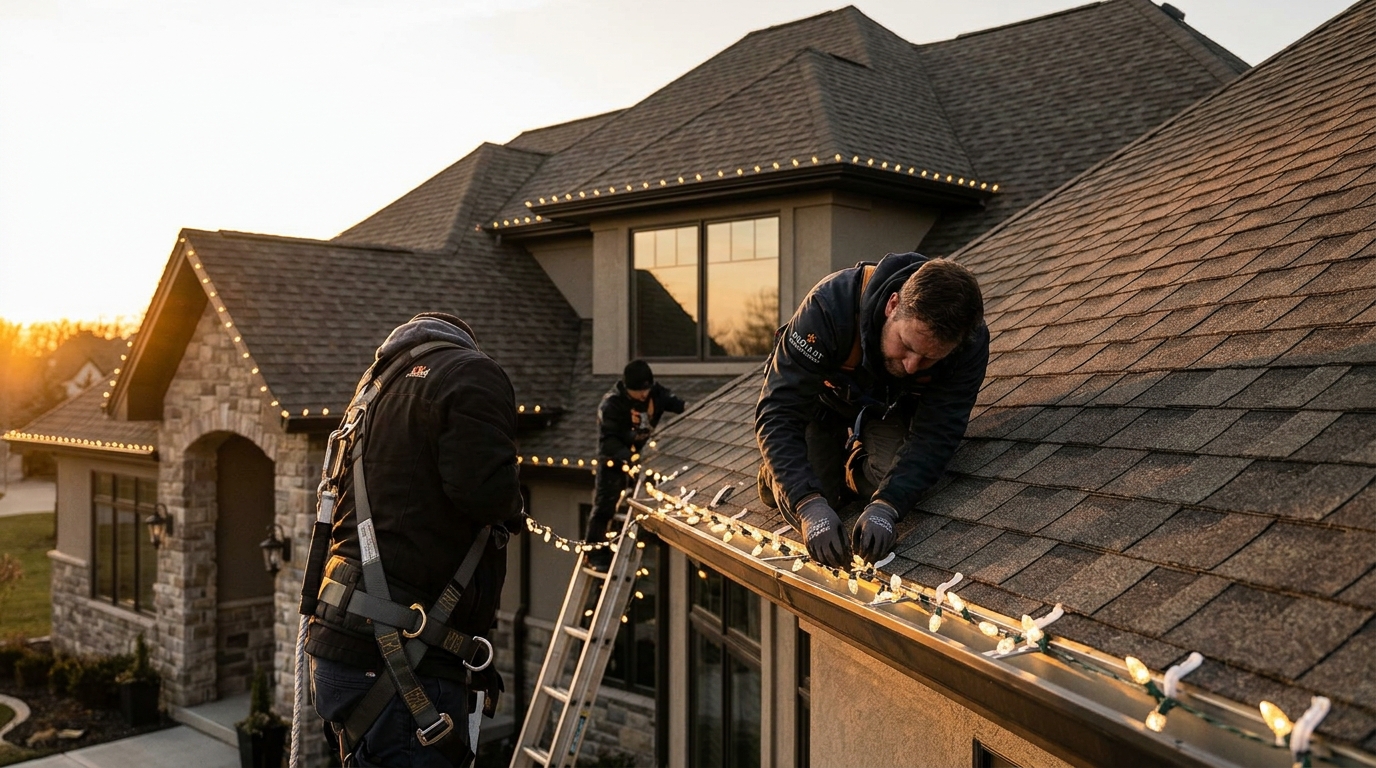
On installation day, the crew arrives with all necessary equipment, including ladders, safety gear, and the lights. They secure the lights to the roofline using specialized clips. The process usually takes 2-4 hours for a standard one-story home. They test all lights to ensure they are working correctly and clean up any debris before leaving.
Maintenance and Removal
After installation, the company monitors the lights for any issues. If a light burns out, they replace it. At the end of the season, they remove the lights, clean them, and store them in a secure facility. This storage service is a major benefit of professional installation, as it saves you the hassle of storing lights in your garage or attic.
What It Costs
Factors That Drive Price Up
Several factors can increase the cost of your installation. Two-story homes cost more because they require taller ladders and more safety precautions. Complex rooflines with multiple peaks, dormers, and angles take longer to install. Premium lights, such as LED strands with color-changing capabilities, cost more than standard incandescent lights. Custom designs, such as outlining windows or creating specific patterns, also add to the cost. according to How Much Does
Factors That Drive Price Down
Common Mistakes to Avoid
Many homeowners make mistakes that lead to poor results or safety hazards. One common mistake is choosing the cheapest provider without verifying their credentials. This can lead to uninsured workers, poor quality lights, and no recourse if something goes wrong. Another mistake is not getting a written contract. A verbal agreement is not enforceable. Always get a written contract that outlines the scope of work, price, timeline, and warranty terms.
Ignoring Maintenance
Some homeowners assume that once the lights are installed, they are done. However, lights can burn out or get damaged by weather. If you do not have a maintenance agreement, you may be left with a partially lit roof. A professional company will monitor the lights and replace any that fail, ensuring your display remains perfect throughout the season.
Not Planning for Removal
Another mistake is not planning for removal. If you do not have a removal service, you will have to take the lights down yourself, which can be dangerous and time-consuming. A professional company will remove the lights at the end of the season, saving you the hassle and ensuring they are stored properly for next year.
Professional vs. DIY
| Factor | Professional Installation | DIY Installation |
|---|---|---|
| Safety | High (trained professionals) | Low (risk of falls) |
| Quality | High (professional finish) | Variable (often messy) |
| Time | 2-4 hours | 1-2 days |
| Maintenance | Included | Not included |
| Storage | Included | Not included |
When DIY Makes Sense
DIY installation may make sense if you have a simple roofline, are comfortable working at heights, and have the time to do the work yourself. However, for most homeowners, the safety risks and time commitment make professional installation the better choice. The cost difference is often small compared to the peace of mind and quality you get from a professional service.
Costs for Specific Situations
Commercial Properties
Commercial properties, such as offices, retail stores, and restaurants, often require more extensive lighting. The cost for commercial installation is typically higher than for residential, as it involves more lights and more complex designs. However, commercial clients often benefit from lower per-foot rates due to the larger volume of work.
Permanent Lighting
Rules and Protections
There are several rules and protections that apply to holiday light installation. First, local ordinances may restrict the type and duration of holiday lighting. Some municipalities have rules about how long lights can be left up, such as requiring removal by January 15. Check with your local government to ensure you are in compliance. Second, homeowners' associations (HOAs) may have rules about holiday lighting. Some HOAs prohibit lights entirely, while others have guidelines about the type and placement of lights. Check your HOA bylaws before installing lights.
Consumer Protections
As a consumer, you have certain protections under state and federal law. You have the right to a written contract, a clear description of the work to be performed, and a warranty on the work. You also have the right to cancel the contract if the company fails to perform as agreed. If you have a dispute with a contractor, you can file a complaint with the Better Business Bureau or your state's consumer affairs agency.
Local Specifics
Local specifics can significantly impact the cost and process of holiday light installation. In areas with high demand, such as major cities, installation slots fill up quickly, and prices may be higher. In rural areas, prices may be lower, but you may have fewer options for providers. Weather conditions also play a role. In areas with heavy snow or ice, installation may be delayed or more expensive due to the need for additional safety precautions.
Regional Pricing
Timing Your Installation
Timing is crucial when it comes to holiday light installation. The best time to book your installation is in the fall, before the holiday season begins. This ensures that you get a slot that works for you and that the lights are installed before the first snow or cold snap. If you wait until late November or early December, you may have to settle for a less desirable date or pay a premium for rush service.
Seasonal Demand
Demand for holiday light installation peaks in late November and early December. During this time, companies are often fully booked, and prices may be higher. By booking early, you can avoid the rush and ensure that your lights are installed on time. Additionally, early booking allows you to work with the installer to design a custom display that fits your home and preferences.
Long-Term Results
Professional holiday light installation provides long-term benefits that go beyond a single season. First, it increases the curb appeal of your home, which can increase property value. A well-lit home is more attractive to potential buyers and can help you sell your home faster. Second, it creates a sense of community and holiday spirit. A beautiful light display can bring neighbors together and create a festive atmosphere in your neighborhood.
Investment Value
While holiday lighting is a seasonal expense, it can be viewed as an investment in your home's curb appeal and community standing. The cost of professional installation is relatively small compared to the potential increase in property value and the joy it brings to your family and neighbors. Additionally, if you choose permanent lighting, the investment can pay off over many years, as the lights are installed once and used year-round.
Key Takeaways
- Always verify a contractor's license and insurance before signing a contract.
- Get a written contract that outlines the scope of work, price, timeline, and warranty terms.
- Book your installation early in the fall to avoid the holiday rush and secure your preferred date.
- Check local ordinances and HOA rules before installing lights to ensure compliance.
- Professional installation can increase curb appeal and property value over time.
Frequently Asked Questions
How much does it cost to have Christmas lights put on your roof?
Do professional installers provide the lights?
How long does installation take?
Installation usually takes 2 to 4 hours for a standard one-story home. Larger or more complex homes may take longer. The exact time depends on the size of the roof and the complexity of the design.
Is it safe to install lights on a roof?
Professional installers use specialized equipment and safety gear to ensure that the installation is safe. They are trained to work at heights and follow strict safety protocols. DIY installation carries a higher risk of falls and injuries.
What happens if a light burns out?
Do I need to store the lights myself?
No, most professional companies remove the lights at the end of the season and store them in a secure facility. This saves you the hassle of storing lights in your garage or attic. Learn more: radiantholidaydesignsllc com.