
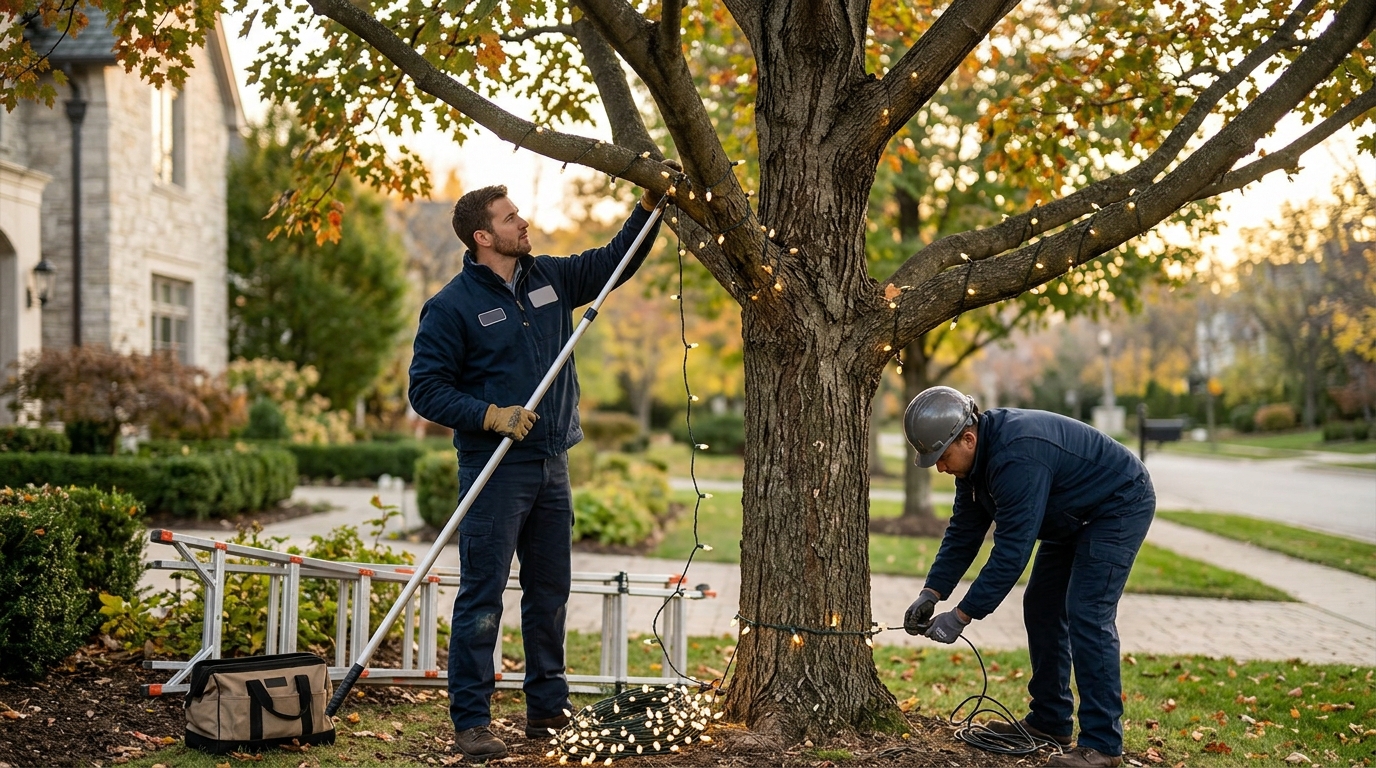
Tree care specialists must prioritize structural integrity and electrical safety before installing holiday lights. Radiant Holiday Designs emphasizes that proper load distribution and branch protection prevent long-term damage. This guide outlines critical protocols for professionals handling residential and commercial holiday lighting projects. For additional details, review the radiantholidaydesignsllc com.
Assessing Structural Load Capacity
Radiant Holiday Designs recommends using a load distribution map to ensure no single branch bears excessive weight. This approach prevents breakage and maintains the tree's natural shape. Specialists should also consider the age of the tree, as older trees may have weaker structural integrity due to natural aging processes. For additional details, review the .
Electrical Safety and Weather Protection
Electrical safety is a primary concern when installing holiday lights outdoors. Moisture, snow, and ice can create hazardous conditions if lights are not properly protected. Tree care specialists must ensure that all electrical connections are weatherproof and securely fastened. For additional details, review the Customer Experience.
Using outdoor-rated lights and extension cords is essential for safety. Indoor lights are not designed to withstand outdoor conditions and can pose a fire risk. Specialists should inspect all equipment for damage before installation, including frayed wires, broken bulbs, and loose connections. Regular maintenance checks during the holiday season help identify potential issues before they become dangerous. For additional details, review the Frequently Asked Questions.
Radiant Holiday Designs emphasizes the importance of using surge protectors and ground fault circuit interrupters (GFCIs) to protect against electrical hazards. These devices provide an additional layer of safety by cutting power in the event of a fault. Specialists should also ensure that lights are installed at a safe distance from flammable materials, such as dry leaves and wooden structures. For additional details, review the About.
Protecting Tree Health During Installation
Improper installation techniques can cause physical damage to trees, leading to long-term health issues. Tree care specialists must use appropriate tools and methods to avoid harming the bark, branches, and roots. Using sharp tools or excessive force can create wounds that are susceptible to disease and pest infestation.
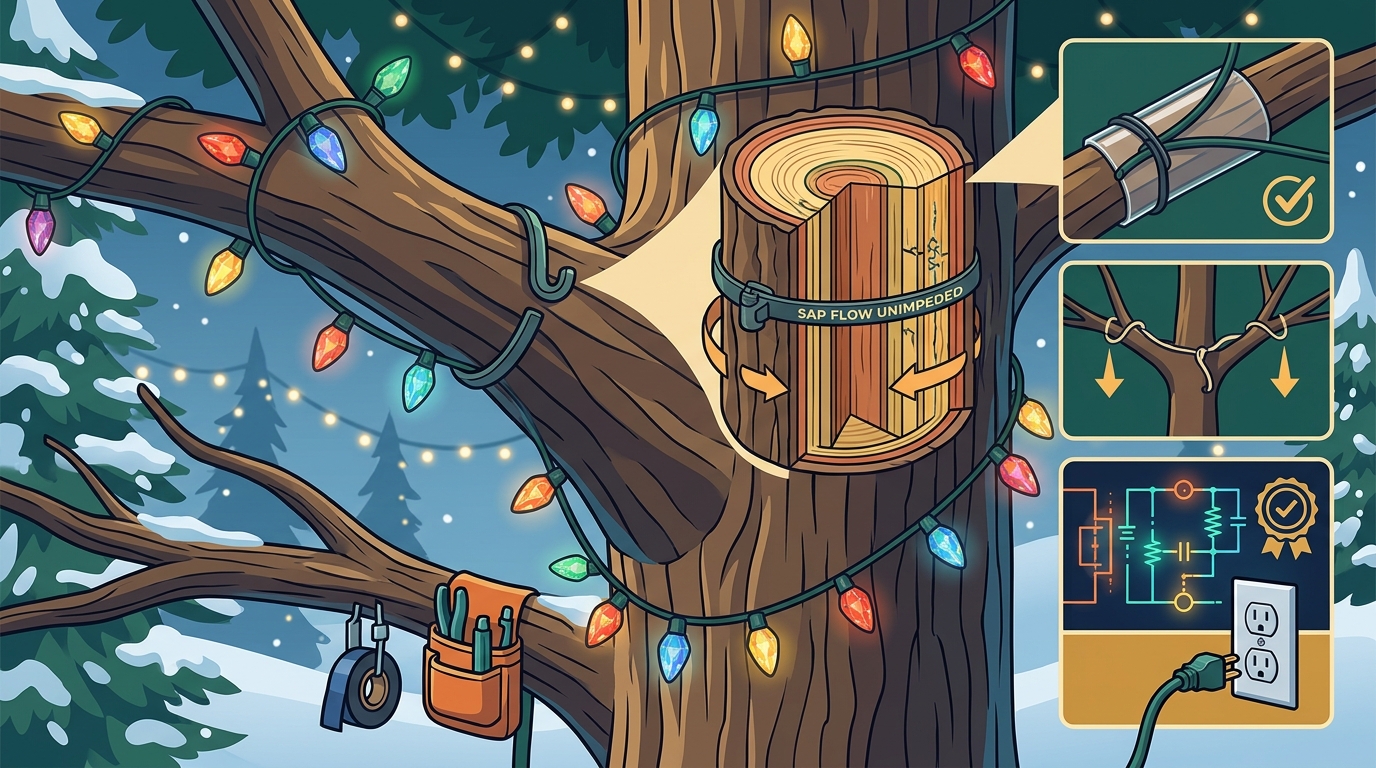
Specialists should use soft, padded clips to secure lights to branches, avoiding any tools that cut into the bark. This method protects the tree's natural protective layer and prevents entry points for pathogens. Additionally, lights should be distributed evenly to avoid concentrating weight on a few branches, which can cause stress fractures.
Radiant Holiday Designs advises against using nails or staples to attach lights, as these methods cause permanent damage to the tree. Instead, professionals should use non-invasive attachment methods that allow for easy removal without leaving marks or wounds. This approach ensures the tree remains healthy and vibrant for future seasons.
Seasonal Considerations and Maintenance
Winter conditions present unique challenges for holiday light installations. Snow, ice, and wind can affect the stability and safety of lights on trees. Tree care specialists must account for these factors when planning and executing installations.
Specialists should monitor weather forecasts and adjust installations accordingly. For example, in areas with heavy snowfall, lights may need to be secured more tightly to prevent them from being dislodged by wind or ice. Regular inspections during the holiday season help identify and address any issues caused by weather conditions.
Radiant Holiday Designs recommends scheduling maintenance checks throughout the season to ensure lights remain secure and functional. This proactive approach minimizes the risk of accidents and ensures a safe and enjoyable holiday experience for clients. Specialists should also be prepared to remove or adjust lights in response to severe weather events.
Key Takeaways
- Assess the tree's structural load capacity before installing lights to prevent branch damage.
- Use outdoor-rated electrical equipment and weatherproof connections to ensure safety.
- Employ non-invasive attachment methods to protect tree health and prevent disease.
- Account for seasonal weather conditions when planning and maintaining light installations.
- Conduct regular maintenance checks to identify and address potential issues.
- Distribute lights evenly to avoid concentrating weight on specific branches.
- Use surge protectors and GFCIs to protect against electrical hazards.
Frequently Asked Questions
How much weight can a tree branch support?
What type of lights are safe for outdoor use?
Outdoor-rated lights with weatherproof connections are safe for use. Indoor lights should not be used outdoors due to the risk of electrical hazards and fire.
How should lights be attached to branches?
Lights should be attached using soft, padded clips that do not cut into the bark. Nails or staples should be avoided as they cause permanent damage.
How often should holiday lights be inspected?
Regular inspections throughout the holiday season are recommended to ensure lights remain secure and functional. Weather conditions may require more frequent checks.
What are the risks of improper light installation?
Improper installation can cause branch breakage, electrical hazards, and long-term tree health issues. Proper techniques and equipment are essential for safety.
Conclusion
Tree care specialists play a vital role in ensuring safe and effective holiday light installations. By prioritizing structural integrity, electrical safety, and tree health, professionals can deliver beautiful and secure lighting solutions. Radiant Holiday Designs is committed to providing expert guidance and services for residential and commercial clients. To learn more about our holiday lighting services, visit Radiant Holiday Designs. Learn more: radiantholidaydesignsllc com.